


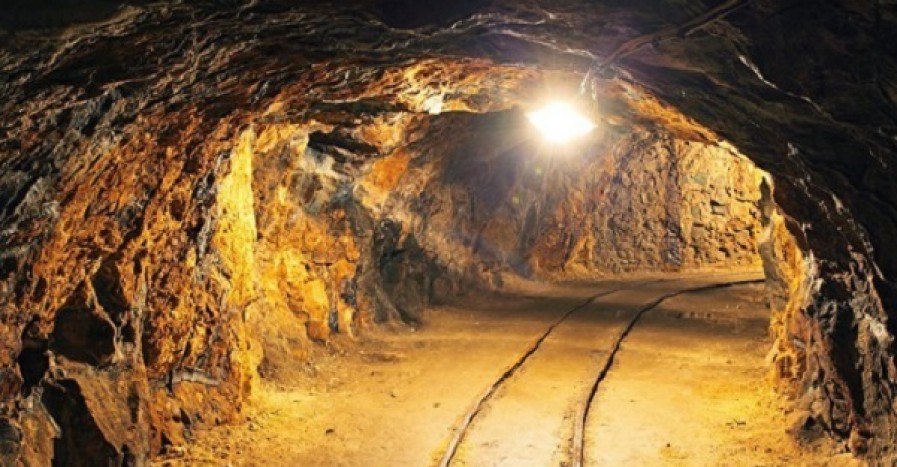
Mining Microseismic Monitoring
SENTEZ offers large-magnitude passive seismic monitoring solutions for sites related to strong ground motion (SGM) or regional seismicity. This level of seismicity typically occurs within the magnitude range of 0 to +3, which is larger than typical microseismic events but smaller than regional earthquakes.
SENTEZ stations can complement an existing microseismic array or be deployed independently to monitor seismic events that fall below the detection threshold of larger regional seismic networks. They can more accurately determine reliable source parameters (such as event magnitude) for moderate seismic events and are highly suitable for geothermal or dam monitoring applications where induced seismicity may be significant. In addition, they are used to support microseismic arrays installed in mines, enabling more accurate detection of larger events that may occur outside the main microseismic array.
If operations are located near residential areas, the detection of larger-magnitude events is typically required to comply with local regulations related to induced seismicity. In the event of a larger-magnitude seismic occurrence that may be felt in the surrounding area, operators need to quickly determine the event location. This allows them to inspect the area and investigate the cause of the event. Providing this information to relevant stakeholders and authorities in a timely manner is often critical. In cases involving blast-induced vibration levels, SENTEZ stations can provide data to determine these vibration levels at various distances, ensuring that operators remain within permitted limits.
For mining operations, it is standard practice to have at least one SENTEZ monitoring station located at a distance from the active mining area. Ideally, multiple SENTEZ sensors are positioned in a triangular array for optimal detection. SENTEZ stations can be fully integrated with existing microseismic systems in underground or open-pit mines, with proper time synchronization ensured.

